Shiphay Learning Academy
Online Safety
The resources on this page aim to help parents and carers to support their child with online safety at home.
While we know there are huge benefits to being online, for example, staying connected to family and friends, finding out a huge wealth of information and having fun playing games, we also recognise that many parents/carers can feel worried and concerned about the activities and content their children are accessing.
On this page you will find a breadth of resources and information about some of the risks your children may encounter online, how you can help to keep your children safe when online and where to go for advice and support.
What does my child learn at school about Online Safety?
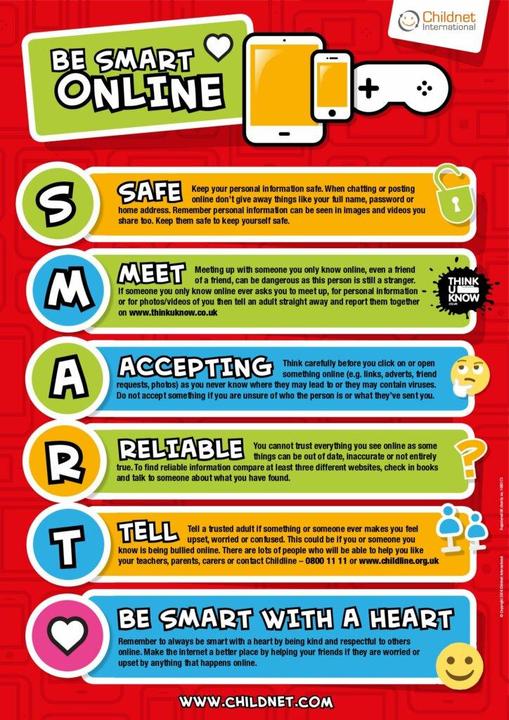 All your children should be familiar with our Shiphay Online Safety poster, SMART with a Heart. At the start of each new term, during welcome weeks, and during Online Safety Week, your child will have been introduced to or re-familiarised with the SMART poster and will talk about how this helps remind us to stay safe online. You may want to start by discussing with your child what they already know about staying safe online. You will be surprised at how much they already know, as online safety is something we take very seriously at Shiphay.
Whilst at school, the children use child-friendly search engines that are specially designed to filter out any inappropriate and unsuitable content. These websites are:
https://www.kiddle.co/ and https://swiggle.org.uk/
We would strongly suggest you encourage your children to use these at home.
Online Safety is also part of our Personal Development curriculum, and you can find out about the tasks and activities they have completed by having a look in each class floor book.
What dangers might my child come across when online?
The Internet has become part of our everyday lives and is now easier to access than ever before. Use of the Internet can also have risks. Young people are more at risk of exposure to inappropriate or criminal behaviour if they are unaware of the dangers.
These dangers include:
- Viewing unsuitable content, e.g. hate material, adult content, sites that endorse unhealthy behaviour;
- Giving out personal information;
- Arranging to meet an online 'friend';
- Becoming involved in, or the victim of, bullying, identity theft, or making and sending indecent or illegal images;
- Spending too much time online (internet addiction), which can affect concentration, sleep and health;
- Copying information from the Internet or buying work from other people to use as their own.
How do I know what information is appropriate to share with my child about Online Safety?
There is a lot of information online regarding what children should know about Online Safety; some of it is not age appropriate, so please bear this in mind when talking about online safety with your child.
If you open the document below, you will see the progression of skills for each year group. It identifies what your child should know about Online Safety by the end of their year group. This will help you reference what is appropriate content and information.
Online Safety Progression of Knowledge
Links to useful organisations
CEOP Education
The CEOP Education team is a part of the National Crime Agency and runs an education programme which provides training, resources and information for children and young people aged 4 - 18, their families and professionals who work with them.
NSPCC
From understanding apps to setting parental controls, NSPCC has information and resources to help parents understand online safety and talk about it with children and young people.
Childnet
Childnet offers a range of online safety guides for parents to support their children.
Internet Matters
Internet Matters provides information and advice to parents and carers to help their children navigate the ever-changing digital landscape.
UK Safer Internet Centre
The UK Safer Internet Centre provides advice and resources to support you as you support your child to use the internet safely, responsibly and positively.
Parentzone
Parentzone offers parents articles, videos and a Tech Shock podcast, all designed to give you the confidence to support your child online.
CEOP – what to do if there's a viral scare online
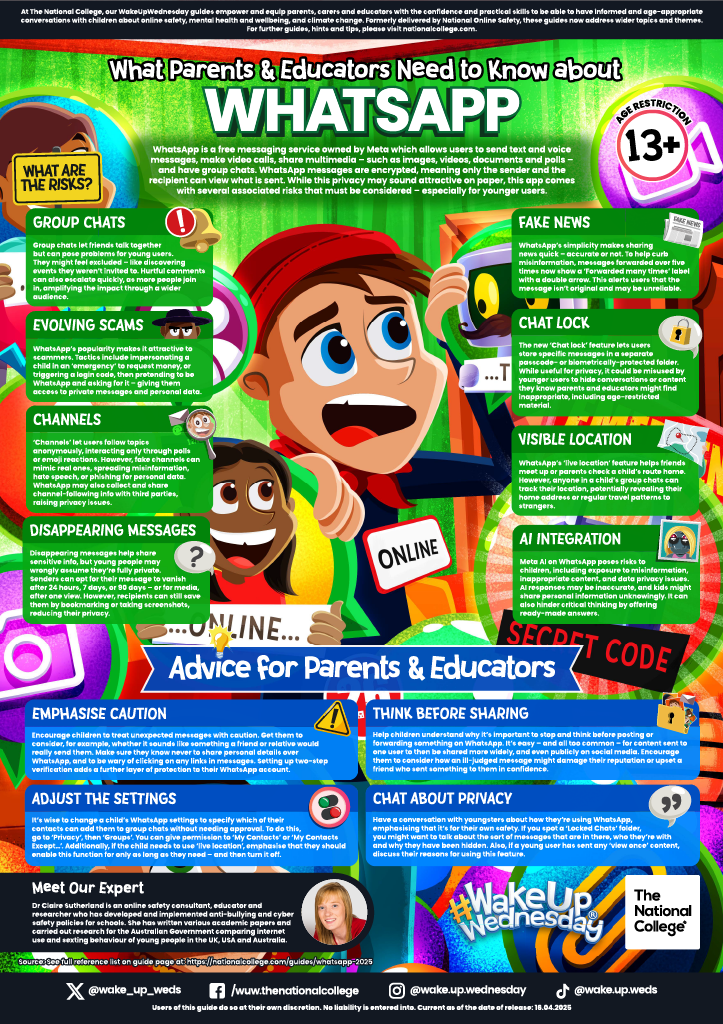
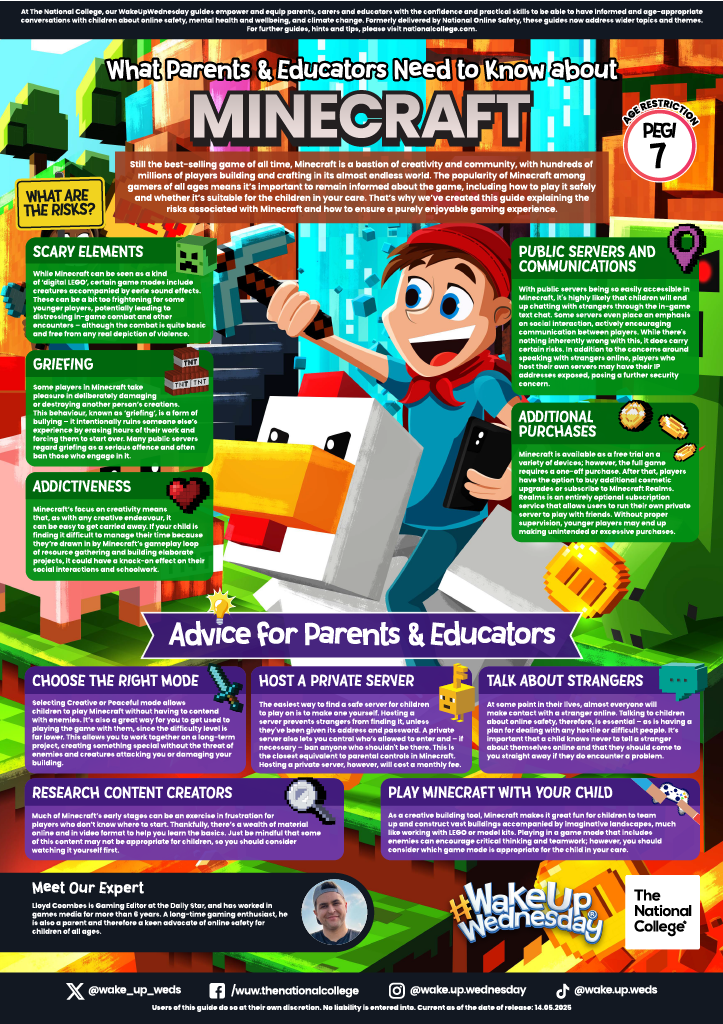
Wake up Wednesday
The National College supports schools with CPD around online safety, and they run a campaign called #WakeUpWednesday.
The #WakeUpWednesday campaign is aimed at providing expert advice on the latest platforms and online risks that parents and carers need to know about. They release a brand-new guide every Wednesday. Feel free to browse the ones that you feel are relevant below, and don't hesitate to contact school if you have any questions!
Top tips for setting up parental controls on new devices
Safer Internet Day
9th February 2027:
Reflect on tech: exploring digital wellbeing and our relationship with technology
More information available HERE
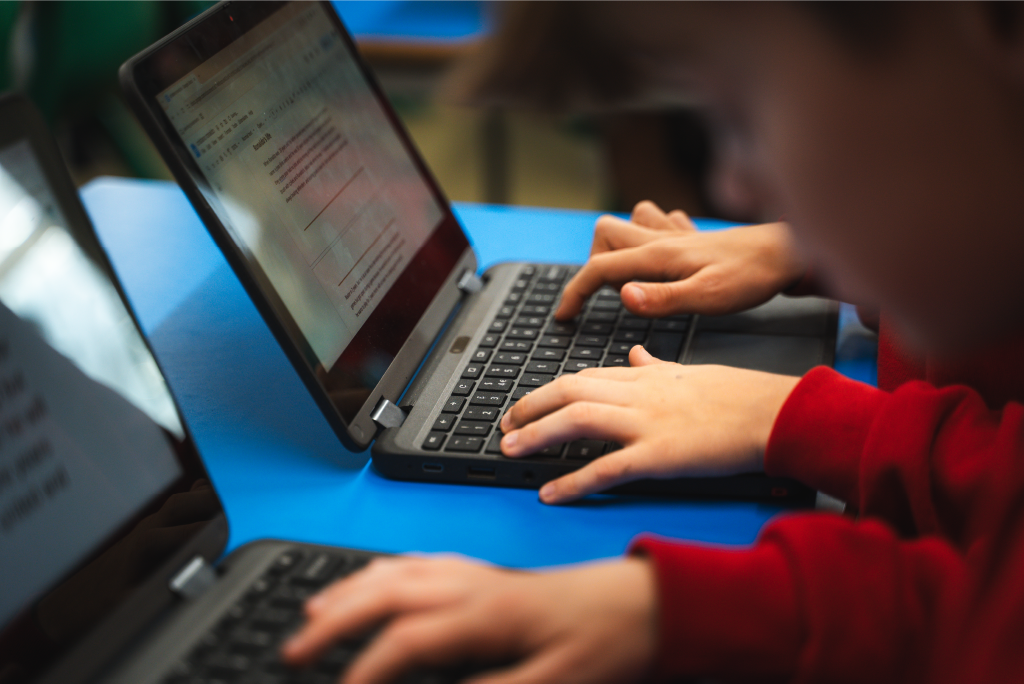
As part of our computing curriculum, each half-term we have a focus on internet safety – so children know how to be safe online in school and at home. To raise awareness of being safe online, in the spring term, children will take part in different age-appropriate activities and scenarios.